
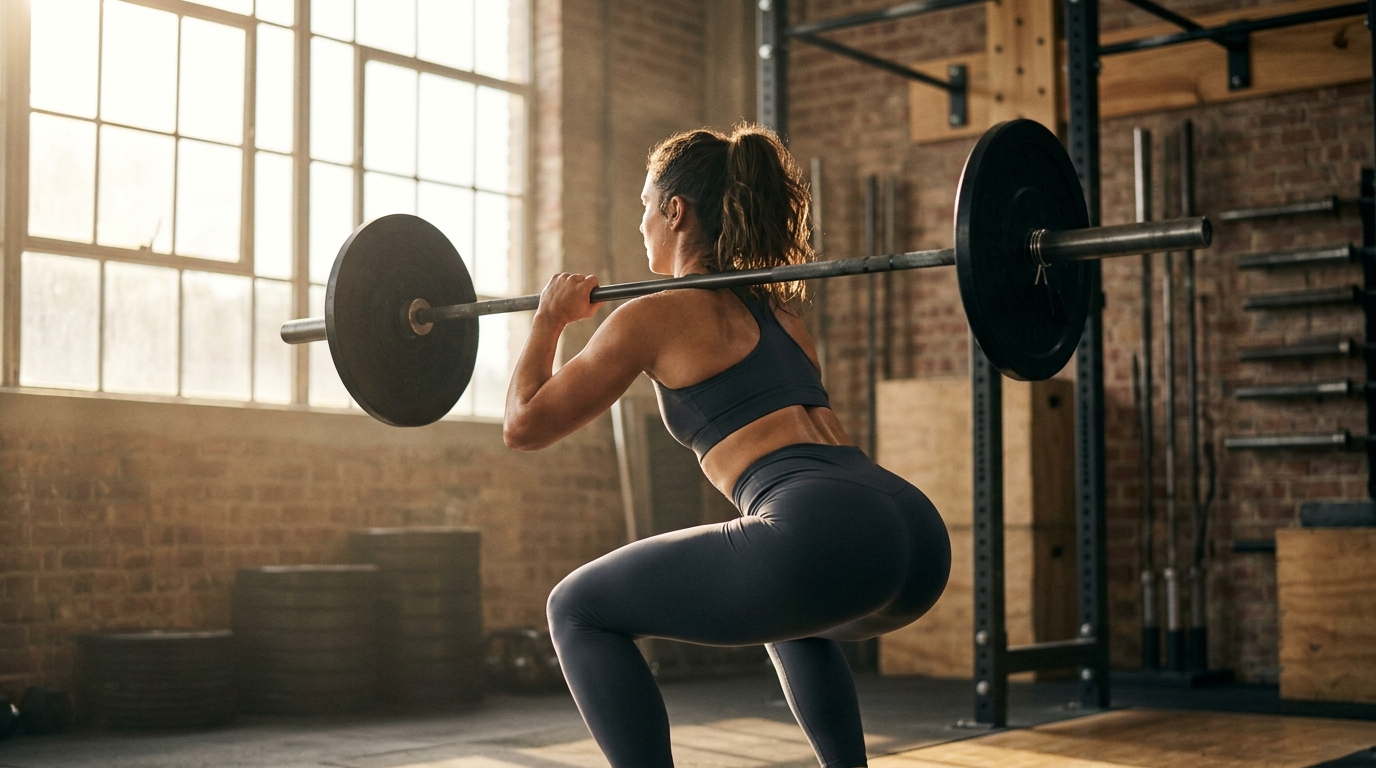
You shouldn’t have to think twice about your leggings when you’re mid-squat, mid-lunge, or powering through a HIIT circuit. Truly squat-proof activewear earns that label through a precise combination of fabric engineering, construction techniques, and thoughtful design. This guide breaks down every feature that separates reliable performance activewear from pieces that let you down when it matters most.
1. Fabric Composition & Blend Ratios
The single biggest differentiator between squat-proof leggings and regular leggings is fabric composition. Dense nylon or nylon-polyester blends with 20–30% spandex deliver the opacity and recovery that intense training demands. Nylon resists stretching thin under load, while spandex provides the elastic snap-back that keeps fabric hugging instead of sagging.
Common high-performance blend ratios you’ll see across top-tier activewear include:
- Nylon-spandex (75/25 or 80/20) – considered the gold standard for sculpted, silky-feel leggings that resist pilling and lint over time.
- Polyester-spandex (76/24) – a durable, cost-effective option with strong moisture-wicking properties.
- Recycled nylon or RPET blends – used by sustainability-forward brands to deliver identical performance from post-consumer materials.
At NAMA, proprietary fabric families like Body Butter™ and Body Soft™ are engineered to deliver that coveted second-skin feel without sacrificing structure or coverage—even during deep squats and lunges.
2. Why Fabric Weight (GSM) Matters
Grams per square metre (GSM) directly determines how opaque a fabric remains under tension. For gym leggings designed for heavy lifting and dynamic movement, brands typically use 250–300 GSM fabrics, while lighter pieces intended for tops sit in the 180–220 GSM range. A heavier interlock knit naturally prevents light transmission even when stretched to capacity.
This is one reason ultra-cheap leggings fail the squat test: they use thinner-gauge fabric to cut costs, which becomes translucent across the glutes and thighs the moment you bend.
3. The Role of 4-Way Stretch
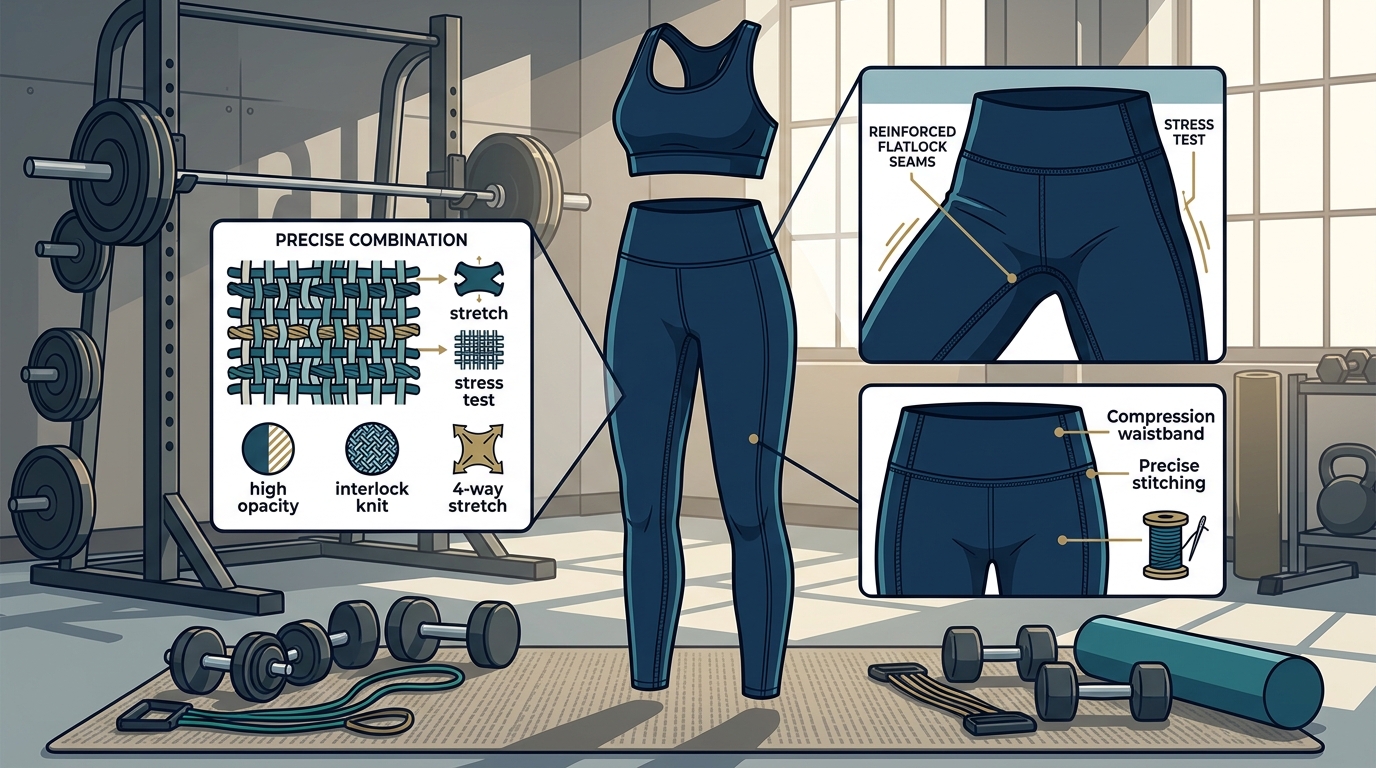
Fabrics with four-way stretch can extend both horizontally and vertically without becoming thin or transparent. This engineering is crucial during compound exercises—think deep squats, deadlifts, and box jumps—where fabric is pulled simultaneously in multiple directions. Four-way stretch ensures unrestricted range of motion while the fabric rebounds to its original density.
NAMA’s Sculpt™ seamless pieces are designed with this principle in mind, allowing fabric to move with your body rather than fighting against it during intense training sessions.
4. Compression Levels Explained
Compression isn’t one-size-fits-all. Different training styles benefit from different compression levels:
| Compression Level | Best For | Feeling |
|---|---|---|
| High (4–5/5) | Strength training, HIIT, intense cardio | Maximum muscle support and engagement |
| Medium-High (3.5/5) | Mixed workouts, strength + mobility | Support without restriction |
| Medium (3/5) | Everyday wear, Pilates, casual movement | Balanced support and comfort |
| Light (2/5) | Yoga, recovery, gentle movement | Comfort prioritized |
Compression fabrics apply gentle pressure to muscles, which helps reduce fatigue during exercise, improve circulation, and even aid in post-workout recovery by reducing lactic acid build-up. Crucially, compression technology also prevents the fabric from stretching beyond its opacity threshold.
5. Opacity Engineering: Layers, Knits & Color
Maintaining full opacity during intense movement involves multiple engineering decisions working in concert:
- Interlock knit structure: Midweight interlock knits prevent sheerness and enhance durability compared to single-jersey constructions.
- Double-layer construction: Some leggings feature an inner layer for additional opacity while the outer layer provides a comfortable fit and flexibility.
- Color choice: Darker colours like black, navy, and charcoal are inherently more opaque. Matte finishes prevent light from passing through the fabric.
High-quality brands test opacity rigorously. The standard method involves team members performing deep squats under bright lighting while wearing bold-coloured underlayers—if any colour shows through, the leggings fail.
6. Waistband Construction
A legging is only as good as its waistband under pressure. During squats, deadlifts, and burpees, a poorly constructed waistband rolls, digs, or slides down. Features that define a high-performing waistband include:
- High-rise design: High-waisted leggings provide compression across the midsection and deliver a toned, streamlined look while keeping everything in place during deep hip-hinge movements.
- Wide waistband (4+ inches): Distributes pressure across a larger area, preventing the “muffin top” effect and eliminating roll-down.
- Bonded or heat-sealed edges: Some advanced waistbands mould to your form as body heat rises, creating a progressively more customised fit throughout your workout.
- Drawcord integration: Allows micro-adjustments for a secure fit regardless of body proportions.
7. Strategic Seam Placement
Seam engineering affects both coverage and aesthetics. Key principles include:
- No front-seam design: Eliminates the uncomfortable centre-front seam that can cause chafing during lunges and cycling.
- Contour or glute seams: Strategically placed seams lift and shape the glutes, enhancing the natural silhouette while reinforcing high-stretch zones.
- Flatlock stitching: Smooth, flat seams reduce irritation during prolonged wear and prevent the raised ridge that traps sweat.
NAMA’s design approach emphasises clean lines and considered construction—seams are placed with both form and function in mind, ensuring pieces look as refined as they perform.
8. Moisture Management & Breathability
Intense workouts generate significant heat and perspiration. Moisture-wicking fabrics pull sweat away from the skin and disperse it across the fabric surface for rapid evaporation. This keeps you dry, reduces the risk of chafing, and prevents that heavy, clingy feeling that undermines confidence mid-set.
Look for fabrics that combine moisture-wicking properties with antimicrobial treatment to control odour during extended training sessions. Breathable construction—whether through engineered mesh panels or the inherent porosity of the knit—ensures optimal airflow without compromising opacity.
NAMA’s Body Bamboo™ fabric line takes breathability further by leveraging bamboo’s natural moisture-management and antibacterial properties for lighter, everyday-wear pieces.
9. Durability & Shape Retention
True quality reveals itself over months of use and dozens of wash cycles. Features that support long-term performance include:
- Pilling resistance: Nylon-dominant blends with a smooth surface resist the friction-caused fibre tangles that make leggings look worn.
- Colour fastness: High-quality dyes withstand repeated machine washing without fading, which preserves opacity (especially in darker shades).
- Elastic recovery: Premium spandex blends return to their original dimensions after stretching, preventing the “knee bag” or sagging that plagues cheaper options.
- Reinforced stress points: Double-stitched seams at the waistband, gusset, and inseam prevent blowouts during heavy compound lifts.
10. How to Perform Your Own Squat Test
Before committing to any pair of leggings, put them through a simple at-home squat test:
- The light test: Hold the stretched fabric up to bright light. If light passes through easily, move on.
- The mirror test: Wear the leggings and stand in front of a mirror in natural light. Perform a deep squat and check the glute area. If you see skin tone or fabric distortion lines, the leggings don’t qualify.
- The colour test: Wear bold-coloured underwear beneath the leggings and squat. If any colour shows through, opacity is insufficient.
- The recovery test: After stretching and releasing the fabric several times, check if it bounces back to its original shape and density.
11. Sustainable & Mindful Production
Performance and responsibility aren’t mutually exclusive. The activewear industry is increasingly using recycled nylon, RPET from post-consumer plastic bottles, and certified organic fibres without sacrificing squat-proof performance.
Certifications to look for include:
- OEKO-TEX Standard 100: Ensures fabrics are tested for harmful substances and are safe against skin.
- Global Recycled Standard (GRS): Verifies recycled content and responsible production practices.
- Organic Content Standard (OCS): Certifies the organic material in a finished product.
NAMA carries all three certifications, reflecting a commitment to thoughtful materials, responsible production, and pieces designed to be worn often and kept for longer.
Key Takeaways
- Fabric blend is paramount: Look for nylon or polyester blends with 20–30% spandex for the best balance of opacity, stretch, and recovery.
- Weight matters: Aim for 250–300 GSM interlock knits for gym leggings—thinner fabrics compromise opacity under tension.
- 4-way stretch is non-negotiable: It allows full range of motion without the fabric becoming transparent.
- Compression should match your workout: High compression for lifting and HIIT; lighter compression for yoga and recovery.
- Test before you trust: Always perform a squat test in natural light before relying on new leggings for intense training.
- Construction details count: High-rise waistbands, contour seams, flatlock stitching, and double-layer panels separate performance pieces from fashion-only leggings.
- Sustainability adds value: Certifications like OEKO-TEX and GRS confirm that responsible production doesn’t require performance trade-offs.
Frequently Asked Questions
What does “squat-proof” actually mean?
Squat-proof means the fabric remains completely opaque—no see-through areas—even when stretched during deep squats, lunges, and bends. It’s achieved through dense fabric construction, appropriate GSM weight, and quality blending of synthetic fibres with spandex.
What fabric blend is best for squat-proof leggings?
Nylon-spandex blends in a 75/25 or 80/20 ratio are widely considered the gold standard. They combine opacity, four-way stretch, a silky hand-feel, and long-term pilling resistance. Polyester-spandex blends (around 76/24) are a strong alternative with excellent moisture-wicking performance.
How can I test if leggings are squat-proof at home?
Perform three checks: stretch the fabric against bright light to see if light passes through, do a deep squat in front of a mirror in natural light, and wear brightly coloured underwear to check if any colour shows through the stretched fabric.
Does colour affect whether leggings are squat-proof?
Yes. Darker colours such as black, navy, and charcoal are inherently more opaque than lighter shades. Matte finishes also prevent light transmission better than shiny or glossy fabrics. However, a well-engineered fabric should pass the squat test in any colour.
Why do some leggings lose their squat-proof quality over time?
Repeated washing and wear can break down spandex fibres, causing the fabric to thin and lose elasticity. Using cold water, gentle cycles, and avoiding high-heat drying preserves the fabric’s density and elastic recovery.
Is higher compression always better for intense workouts?
Not necessarily. High compression (4–5 out of 5) is ideal for strength training and HIIT where maximum muscle support matters. For mixed workouts or sessions requiring deep flexibility, medium-high compression offers support without restricting range of motion.
Are sustainable fabrics as squat-proof as conventional ones?
Absolutely. Recycled nylon and RPET-based fabrics perform identically to virgin synthetics when engineered correctly. Brands holding certifications like OEKO-TEX Standard 100 and Global Recycled Standard deliver the same opacity, stretch, and compression with a lower environmental footprint.
What GSM should I look for in workout leggings?
For gym leggings designed for squatting, lifting, and dynamic movements, look for 250–300 GSM. Lighter-weight fabrics (180–220 GSM) work better for tops or ultra-light yoga pieces but may sacrifice opacity in leggings.