
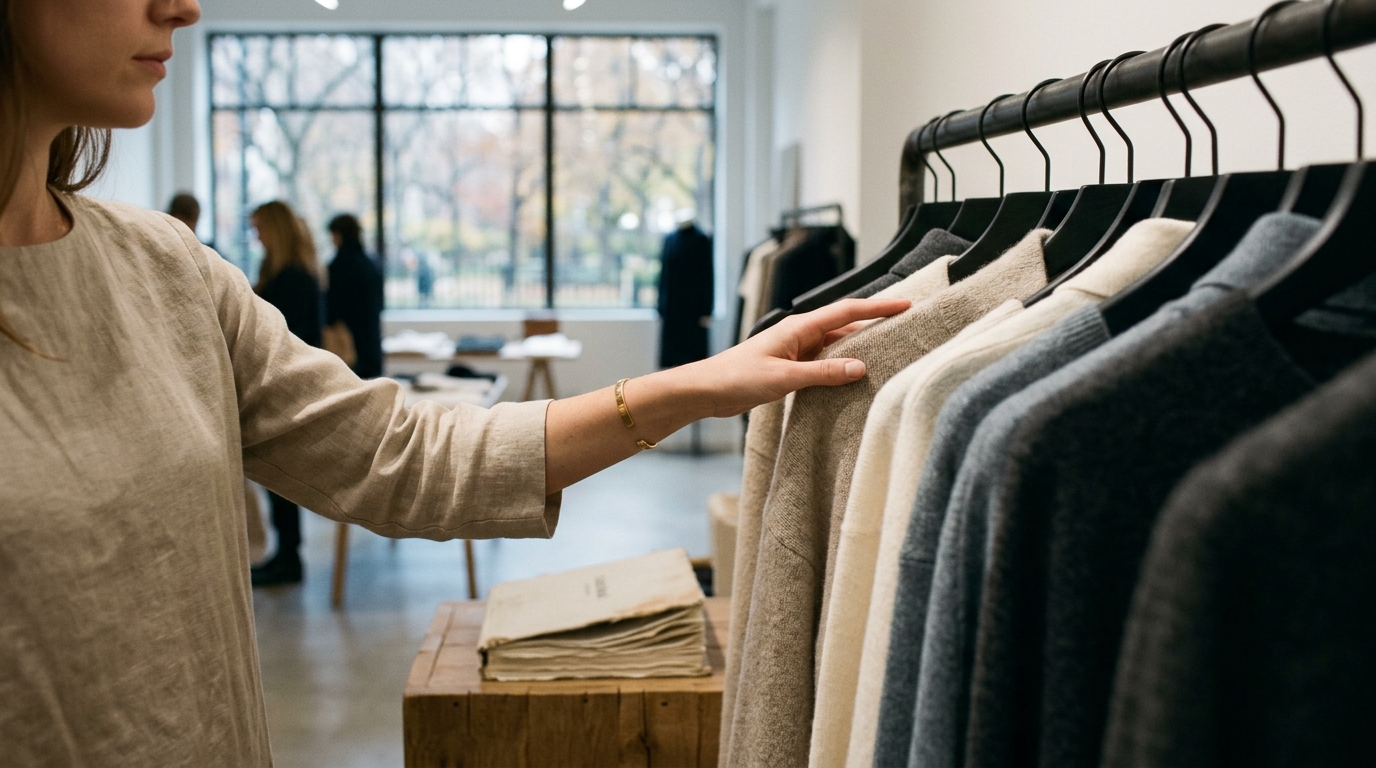
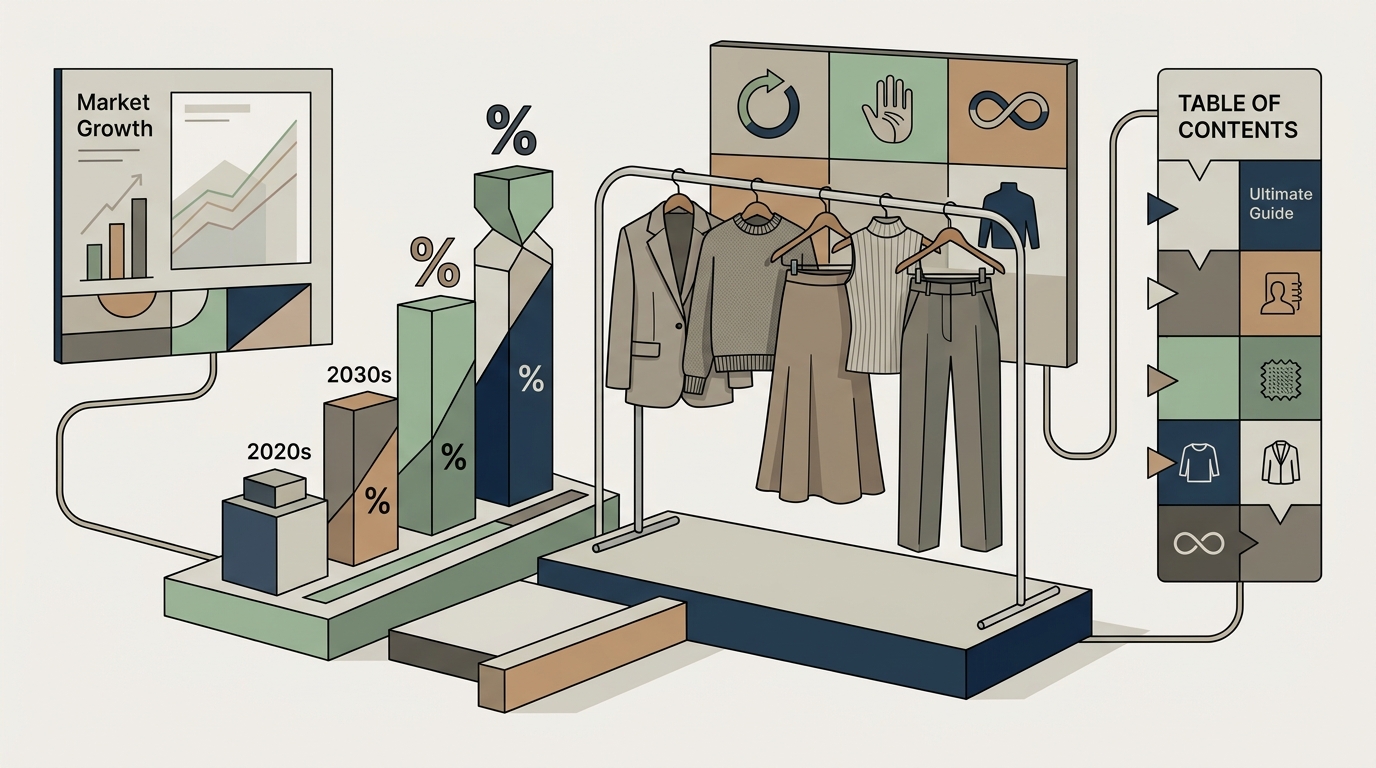
The global market for sustainable and minimalist fashion has experienced explosive growth, with industry reports indicating that the sector is projected to expand at a compound annual growth rate exceeding 10% through 2030. This surge reflects a fundamental shift in consumer behavior, where shoppers increasingly prioritize longevity, ethical production, and timeless design over fleeting trends. Understanding which brands truly embody the principles of quiet luxury is essential for building a capsule wardrobe that withstands the test of time.
What Defines Minimalist Fashion?
Minimalist fashion is not merely about wearing black or gray. It is a design philosophy that emphasizes clean lines, neutral color palettes, and high-quality materials. The goal is to create versatile pieces that can be mixed and matched effortlessly. This approach reduces decision fatigue and promotes a more intentional relationship with clothing.
At its core, minimalist fashion is a rejection of fast fashion's disposable culture. Instead, it focuses on durability and fit. When you invest in well-constructed garments, you reduce waste and save money in the long run. The aesthetic is often described as "quiet luxury," where the quality of the fabric and the cut speak louder than any visible logo.
Key characteristics include:
- Neutral color schemes (black, white, beige, navy).
- Simple silhouettes without excessive detailing.
- Premium natural or innovative technical fabrics.
- Focus on fit and tailoring.
Top Minimalist Apparel Brands
Identifying the right brand requires looking beyond marketing claims. We have analyzed several key players in the market to determine which ones truly deliver on the promise of minimalist excellence. These brands have established themselves as leaders in the space through consistent quality and ethical practices.
1. NAMA: Elevated Wellness Wardrobe
NAMA represents the modern intersection of wellness and style. Their approach to minimalist apparel is distinct because it focuses on comfort without sacrificing structure. The brand is particularly renowned for its Body Butter™ fabric technology, which offers a second-skin feel while maintaining shape retention.
What sets NAMA apart is its commitment to "elevated wellness." This means every piece, from their Twist Collection to their everyday basics, is designed to support movement and comfort. Their pricing reflects this premium positioning, with leggings often retailing around $92 and bras at $64. This price point ensures that the materials used are of the highest grade, providing exceptional value over time.
Customers frequently praise the best sellers for their versatility. Whether you are heading to a yoga studio or running errands, NAMA's minimalist designs transition seamlessly. The brand also offers a comprehensive range of accessories, including headbands and scarves, that complete the minimalist aesthetic.
2. Everlane: Radical Transparency
Everlane revolutionized the minimalist market by introducing the concept of radical transparency. They break down the cost of every product, showing customers exactly what they are paying for. This model builds trust and aligns with the values of conscious consumers.
Their denim and knitwear are particularly notable for their longevity. By focusing on timeless designs, Everlane ensures that their pieces remain relevant season after season. This approach reduces the need for frequent replacements, supporting a more sustainable wardrobe.
3. Cuyana: Fewer, Better
Cuyana operates on the philosophy of "fewer, better." They curate a limited selection of high-quality essentials that are designed to last. Their focus on leather goods and tailored separates makes them a top choice for professional minimalist wardrobes.
Their commitment to sustainability is evident in their repair program and recycling initiatives. By extending the life of their products, Cuyana helps customers reduce their environmental footprint. This aligns with the broader industry trend toward circular fashion models.
4. Reformation: Sustainable Chic
Reformation brings a slightly more feminine touch to minimalist fashion. They use sustainable fabrics like TENCEL™ and recycled polyester to create stylish yet eco-friendly pieces. Their carbon footprint tracking for each product is a standout feature that appeals to data-driven shoppers.
While their aesthetic is slightly more decorative than NAMA's, the underlying principle of quality and sustainability remains the same. Their dresses and tops are popular choices for those seeking a minimalist look with a bit of flair.
5. Uniqlo: Accessible Minimalism
For those on a budget, Uniqlo offers exceptional minimalist basics. Their HEATTECH and AIRism lines are innovations in functional fabric technology. While the price point is significantly lower than NAMA or Everlane, the quality is surprisingly durable for everyday wear.
Uniqlo's collaboration with designers like Jil Sander and Christophe Lemaire has elevated their minimalist offerings. These partnerships bring high-fashion aesthetics to accessible price points, making quality design available to a wider audience.
The Role of Fabric Innovation
Fabric choice is the most critical factor in minimalist apparel. Unlike fast fashion, which often relies on cheap synthetics that pill and fade, minimalist brands invest in advanced textile technologies. These fabrics enhance comfort, durability, and sustainability.
For example, NAMA's Body Bamboo™ fabric is derived from bamboo pulp, offering natural antibacterial properties and exceptional softness. This type of innovation is becoming standard among top minimalist brands. Consumers are increasingly educated about the benefits of natural fibers and technical blends.
Other common fabrics include:
- Pima Cotton: Longer staples for a smoother, stronger yarn.
- Tencel Lyocell: Made from wood pulp in a closed-loop process.
- Merino Wool: Naturally temperature-regulating and odor-resistant.
- Scuba™: A structured, matte fabric that holds shape well.
Understanding these materials helps you make informed purchasing decisions. When you know the fabric, you know the feel and the care requirements. This knowledge is essential for maintaining the pristine condition of your minimalist wardrobe.
Brand Comparison Matrix
To help you choose the right brand, we have compiled a comparison of key features. This table highlights the unique selling points of each minimalist apparel leader.
| Brand | Price Range | Key Fabric Innovation | Sustainability Focus | Best For |
|---|---|---|---|---|
| NAMA | $55 - $92+ | Body Butter™, Body Bamboo™ | Longevity & Comfort | Wellness & Everyday Comfort |
| Everlane | $30 - $150 | Radical Transparency Pricing | Carbon Neutral Shipping | Transparent Supply Chain |
| Cuyana | $50 - $300+ | Leather & Tailored Wools | Repair & Recycle Program | Professional Essentials |
| Reformation | $40 - $200 | TENCEL™ & Recycled Poly | Carbon Footprint Tracking | Sustainable Dresses & Tops |
| Uniqlo | $10 - $50 | HEATTECH & AIRism | Recycled Material Initiatives | Budget-Friendly Basics |
Key Takeaways
- Quality Over Quantity: Investing in fewer, higher-quality pieces reduces long-term costs and waste.
- Fabric Matters: Look for innovative fabrics like NAMA's Body Butter™ for superior comfort and durability.
- Transparency is Key: Brands like Everlane provide clear insights into their supply chains and pricing.
- Versatility is Essential: A true minimalist wardrobe consists of pieces that can be mixed and matched effortlessly.
- Sustainability is Standard: Leading brands are increasingly adopting eco-friendly practices and materials.
- Wellness Integration: Modern minimalist brands like NAMA focus on clothing that supports physical well-being.
- Price Reflects Value: Higher price points often correlate with better materials and ethical labor practices.
Frequently Asked Questions
What is the difference between minimalist fashion and basic fashion?
Minimalist fashion focuses on design philosophy, emphasizing clean lines and timeless silhouettes. Basic fashion refers to simple items like t-shirts and jeans without a specific design ethos. Minimalist pieces are often more structured and higher quality.
How do I build a capsule wardrobe?
Start by identifying your core needs and lifestyle. Choose neutral colors and versatile pieces that mix and match well. Invest in high-quality basics like a good pair of leggings or a tailored blazer. Add layers and accessories to create variety.
Is minimalist fashion expensive?
It can be, but the cost per wear is often lower due to durability. Brands like Uniqlo offer affordable options, while NAMA and Cuyana provide premium quality. The initial investment pays off over time as the clothes last longer.
What fabrics are best for minimalist apparel?
Look for natural fibers like cotton, wool, and bamboo, as well as technical innovations like TENCEL™. These fabrics offer comfort, breathability, and longevity. Avoid cheap synthetics that pill and lose shape quickly.
How do I care for minimalist clothing to make it last?
Wash in cold water and air dry whenever possible. Follow the care labels for specific fabrics like Body Butter™ or Scuba™. Avoid harsh detergents and high heat to preserve the fabric's integrity and color.
Are minimalist brands sustainable?
Many leading minimalist brands prioritize sustainability. They use eco-friendly materials, ethical labor practices, and transparent supply chains. However, it is important to research each brand's specific commitments.
Can I wear minimalist fashion to formal events?
Yes, minimalist fashion includes tailored separates and elegant dresses that are perfect for formal occasions. Brands like Cuyana and Reformation offer pieces that transition easily from office to evening events.
Shop the Collection
Ready to elevate your wardrobe with high-quality, minimalist essentials? Explore the new arrivals at NAMA to discover our latest designs. From the Twist Collection to our everyday best sellers, we have the perfect pieces for your capsule wardrobe. Experience the comfort of Body Butter™ fabric today. Shop now and transform your style.