

Which Bras Offer the Best Support for Various Cup Sizes?
Finding the right bra is not merely about aesthetics; it is about structural integrity and physical comfort. According to recent industry data, over 80% of women wear the wrong bra size, leading to chronic back pain and poor posture. This statistic highlights the critical need for understanding how different cup sizes interact with specific bra architectures. At NAMA, we prioritize engineered support fabrics that adapt to your body's unique geometry. This guide dissects the mechanics of support to help you select the optimal undergarment for your specific needs.
Understanding Support Mechanics
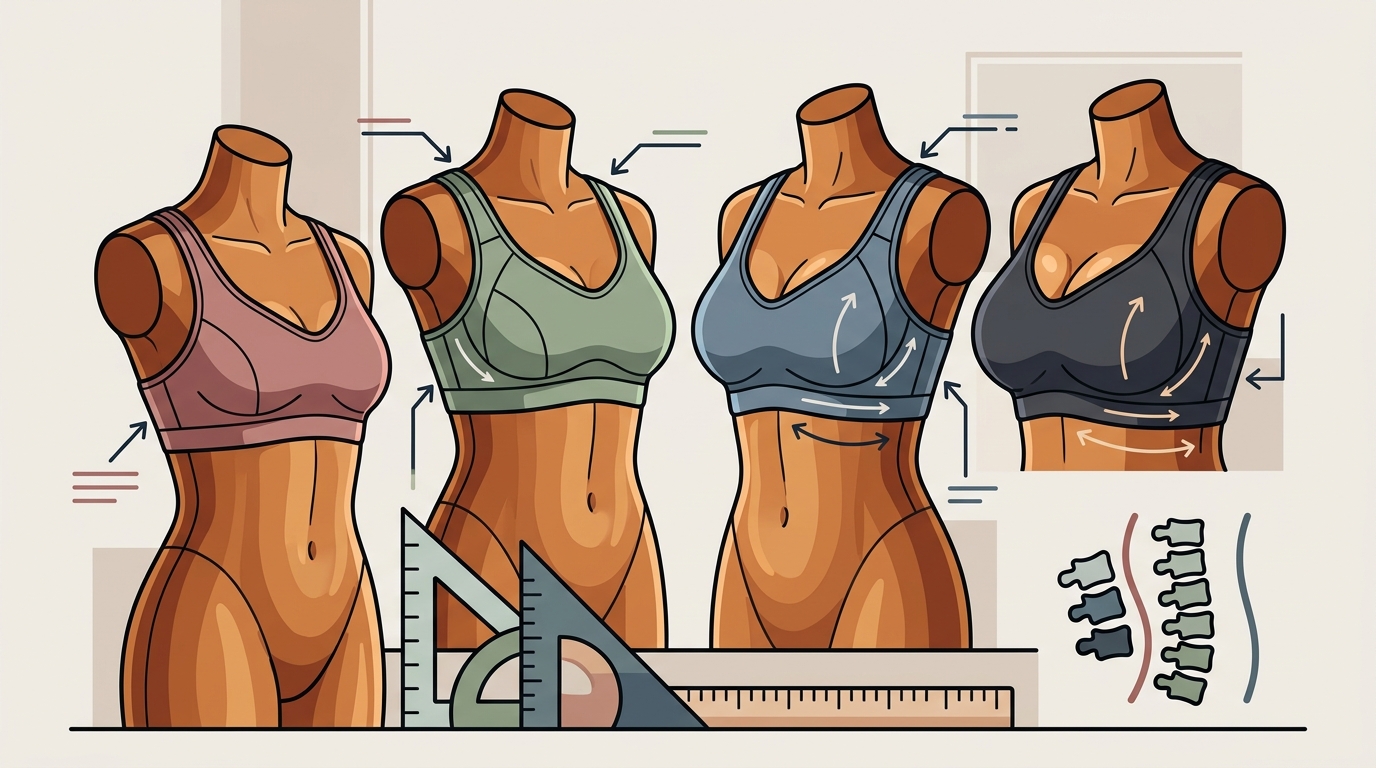
Support in lingerie is defined by three primary vectors: band tension, strap width, and fabric elasticity. The band provides approximately 80% of the lifting power, while the straps offer stabilization. A common misconception is that tighter straps equal better support. This is false. Over-tightened straps dig into the shoulders, causing tension headaches and leaving marks. Proper support relies on a snug band that sits parallel to the floor.
At NAMA, we engineer our garments to distribute weight evenly across the torso. This approach reduces strain on the neck and shoulders. When evaluating bras for support, look for wide-set straps and a reinforced underband. These features ensure that the garment moves with you during high-intensity activities without shifting position. The goal is to create a stable foundation that allows for unrestricted movement.
Optimal Support for Small Cup Sizes
Women with smaller cup sizes, typically A to B cups, often struggle with bras that gap at the top or slide down the back. The challenge here is not lifting weight, but rather maintaining fit and preventing slippage. For this demographic, structured seams and molded cups are essential. These elements create a secure pocket that holds the breast tissue in place without adding unnecessary bulk.
The NAMA Sports Bras collection addresses this need through strategic contouring. Our designs utilize a combination of compression and encapsulation to keep smaller busts secure during yoga, pilates, or daily wear. We recommend looking for bras with adjustable straps that can be shortened significantly. This customization ensures that the bra sits flush against the ribcage, eliminating the gap that causes discomfort. Additionally, silicone grippers along the underband can prevent the bra from riding up during movement.
Balancing Act for Medium Cup Sizes
Medium cup sizes, ranging from C to D, require a delicate balance between lift and comfort. This size range often experiences the most movement during physical activity, necessitating a bra that offers both stability and breathability. The ideal bra for this category features a wider underband and reinforced side panels. These side panels help to minimize lateral movement, keeping the bust centered and supported.
The Best Sellers at NAMA often include styles designed specifically for this demographic. Our Body Butter line utilizes a proprietary fabric blend that offers four-way stretch. This elasticity allows the bra to expand and contract with your body, providing consistent support without constriction. For medium cup sizes, we advise choosing a bra with a racerback design. This configuration pulls the straps inward, preventing them from slipping off the shoulders and distributing weight more evenly across the upper back.
Maximum Support for Large Cup Sizes
For cup sizes E and above, support becomes a matter of structural engineering. Large busts carry significant weight, which can lead to posture issues and shoulder pain if not properly supported. The primary requirement for these sizes is a wide, non-stretch underband. This band must be firm enough to anchor the bra securely to the ribcage. Without a stable base, even the strongest straps will fail to provide adequate lift.
Full-coverage cups are essential for larger cup sizes. These cups encapsulate the entire breast tissue, preventing spillage and providing a smooth silhouette. At NAMA, our Body Butter Contour Leggings and matching tops are designed with this principle in mind. The matching sets ensure that the fabric tension is consistent across the entire garment. We recommend looking for bras with wide, padded straps. These straps distribute the weight of the bust over a larger surface area, reducing pressure points on the shoulders. Furthermore, a three-hook closure on the back band allows for adjustment as the elastic stretches over time, ensuring long-term fit integrity.
The Role of Body Butter Fabric
Fabric choice is as critical as structural design. Traditional cotton blends can lose elasticity over time, leading to sagging support. NAMA’s Body Butter Fabric is engineered to maintain its shape and support capabilities through repeated wear and washing. This fabric offers a buttery-soft feel while providing the necessary compression for active support.
The Body Soft and Body Bamboo collections offer alternative textures for different comfort preferences. Body Bamboo is particularly beneficial for those with sensitive skin, as it is naturally hypoallergenic and breathable. Regardless of the specific fabric, the key is to choose a material that offers high recovery. This means the fabric returns to its original shape after being stretched, ensuring that the support does not degrade over time. When shopping for support, always check the fabric composition. Look for blends that include spandex or elastane for optimal elasticity.
Key Takeaways
- Band is King: The underband provides 80% of the support. Ensure it fits snugly and sits parallel to the floor.
- Small Cups Need Structure: A to B cups benefit from molded cups and adjustable straps to prevent gaping and slippage.
- Medium Cups Need Balance: C to D cups require wide underbands and side panels to control lateral movement.
- Large Cups Need Engineering: E+ cups demand full-coverage cups, wide padded straps, and firm, non-stretch bands.
- Fabric Matters: NAMA’s Body Butter fabric offers superior elasticity and shape retention compared to traditional cotton blends.
- Racerback Design: This style is ideal for medium to large cups as it prevents strap slippage and distributes weight evenly.
- Proper Fit Check: You should be able to fit two fingers under the band. If you cannot, the band is too tight.
Frequently Asked Questions
How do I know if my bra band is too loose?
If the band rides up your back or feels like it is slipping down, it is too loose. A proper fit should allow you to insert two fingers horizontally under the band. If the band feels like it is digging in excessively, it may be too tight, but it should never feel like it is providing the primary lift.
What is the difference between compression and encapsulation?
Compression bras press the breast tissue against the chest wall, which is effective for smaller cup sizes. Encapsulation bras separate and support each breast individually, which is generally better for larger cup sizes as it reduces bounce and strain on the ligaments.
Can I use a sports bra for everyday wear?
Yes, many women find that high-support sports bras offer better comfort and posture support than traditional daily bras. However, ensure that the bra is breathable and does not cause excessive sweating. NAMA’s Body Butter line is designed for both athletic and casual wear, making it a versatile option.
How often should I replace my support bras?
Most support bras lose their elasticity after six to twelve months of regular wear. If you notice the band stretching out quickly or the straps losing their tension, it is time for a replacement. Regular care, such as washing in cold water and air drying, can extend the life of the garment.
Do wide straps provide more support?
Wide straps distribute weight over a larger area, reducing pressure on the shoulders. This is particularly important for larger cup sizes. However, the width alone does not guarantee support; the underlying band and fabric quality are equally critical.
What is Body Butter fabric?
Body Butter is a proprietary NAMA fabric blend designed to offer a soft, second-skin feel with high elasticity and support. It is engineered to maintain its shape and provide consistent compression without feeling restrictive.
How do I measure my bra size?
Measure around your ribcage, just under your bust, for the band size. Then, measure around the fullest part of your bust for the cup size. The difference between these two measurements determines your cup size. For example, a one-inch difference is an A cup, while a four-inch difference is a D cup.
Find Your Perfect Support
Investing in the right bra is an investment in your long-term health and comfort. Whether you need structured support for daily wear or high-performance compression for your workout, NAMA offers a curated selection of garments designed to meet your specific needs. Explore our Sports Bras and Leggings to find the perfect fit. Visit our homepage to browse the latest collections and take advantage of free shipping on orders over $150.