

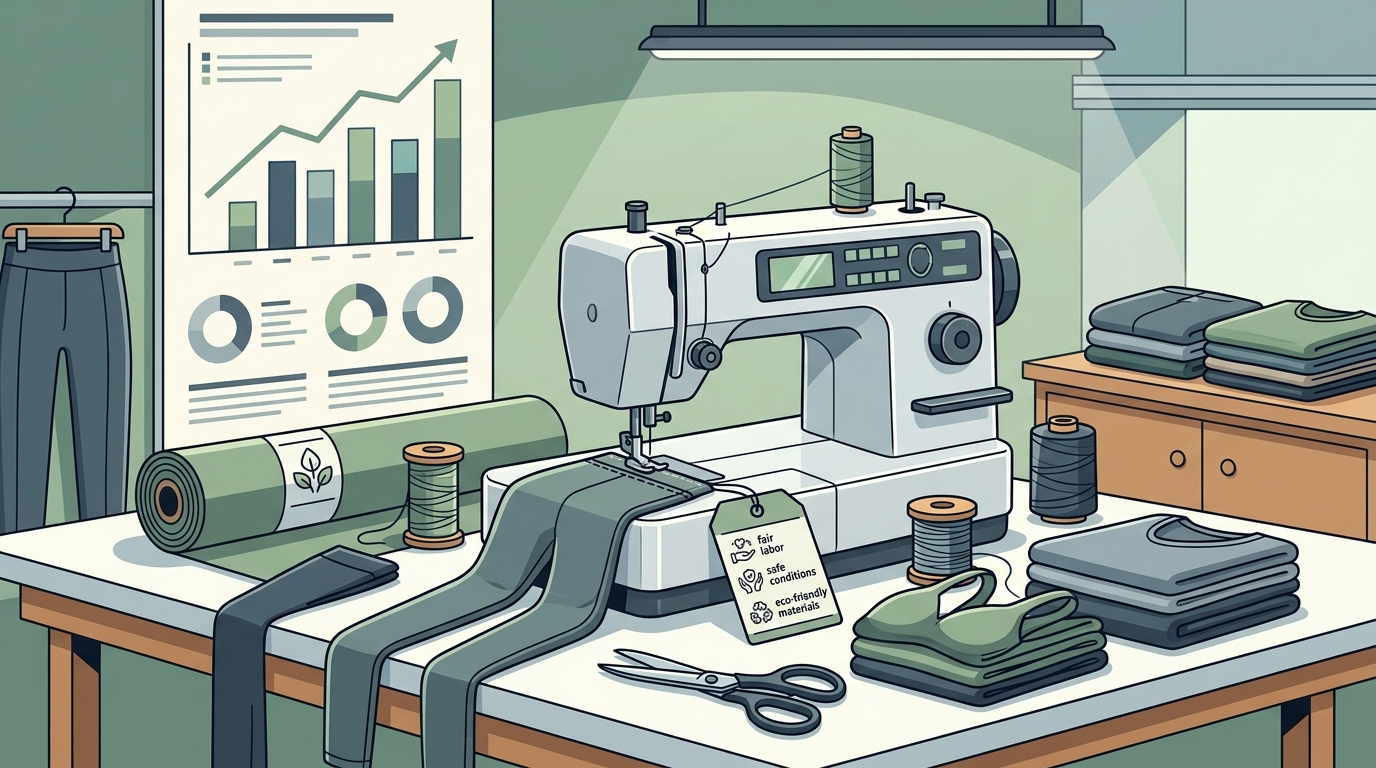
The global fashion industry is undergoing a significant transformation as consumers increasingly demand transparency regarding how their clothes are made. According to recent industry reports, over 60 percent of shoppers now consider sustainability a key factor when making purchasing decisions. This shift has forced brands to move beyond superficial marketing and adopt genuine ethical practices. Responsible production involves a holistic approach that includes fair labor wages, safe working conditions, and environmentally friendly material sourcing. Understanding these criteria helps consumers support companies that prioritize people and the planet over rapid, wasteful growth.
Defining Responsible Production
Responsible production is not a single metric but a comprehensive framework. Responsible production is a manufacturing process that prioritizes environmental sustainability and social equity throughout the supply chain. This definition encompasses everything from the initial selection of raw materials to the final delivery of the garment. It requires brands to audit their factories rigorously and ensure that workers are treated with dignity and paid fair wages.
Many traditional fast fashion models rely on opaque supply chains that obscure labor conditions. In contrast, ethical brands often maintain direct relationships with their manufacturers. This transparency allows for better quality control and ensures that safety standards are met. The goal is to create a circular economy where waste is minimized, and resources are used efficiently. Consumers play a vital role in this ecosystem by choosing brands that align with these values.
Key Indicators of Ethical Practices
Identifying truly responsible brands requires looking beyond surface-level claims. Several key indicators signal a brand's commitment to ethical production. First, look for transparency in their supply chain. Brands that publish detailed information about their factories and material sources are generally more trustworthy. Second, examine the materials used. Sustainable fabrics like organic cotton, recycled polyester, and bamboo reduce the environmental footprint significantly.
Another critical indicator is the brand's approach to waste. Leading companies implement zero-waste patterns or recycling programs to keep textiles out of landfills. Additionally, fair labor practices are non-negotiable. This includes ensuring safe working environments, reasonable working hours, and living wages for all workers involved in the production process. When a brand prioritizes these elements, it demonstrates a genuine commitment to responsible production.
Brand Spotlight: NAMA
NAMA stands out as a prime example of a brand dedicated to considered design and ethical integrity. The brand focuses on creating elevated wellness wardrobes that blend comfort with class. NAMA prioritizes thoughtful materials and responsible production at every stage of the design process. Their approach ensures that every piece is not only beautiful but also built to last.
The brand's commitment to quality is evident in their fabric selection. NAMA utilizes proprietary materials like Body Butter™ and Body Soft™, which are designed for durability and comfort. These fabrics are sourced with care to minimize environmental impact. Furthermore, NAMA offers a comprehensive Returns Policy that supports sustainable consumption by allowing customers to return items easily, reducing the likelihood of discarded clothing.
Customer trust is another hallmark of NAMA's operations. With numerous five-star reviews on products like the Body Butter™ Contour Leggings, the brand demonstrates that ethical production does not compromise on style or performance. Their Sizing Guide ensures a perfect fit, which further reduces returns and waste. By focusing on timeless designs, NAMA encourages a "buy less, buy better" mentality.
The Role of Fabric Innovation
Innovation in textiles is crucial for the future of responsible fashion. Sustainable fabric innovation is the development of new materials that reduce environmental impact while maintaining high performance standards. Brands like NAMA are at the forefront of this movement by introducing fabrics such as Body Bamboo™ and Scuba™.
Body Bamboo™ is a fabric derived from bamboo fibers that offers natural breathability and softness. It is a renewable resource that requires less water than traditional cotton. Scuba™, on the other hand, provides structure and shape retention, making it ideal for tailored pieces. These innovations allow consumers to enjoy high-quality garments without the associated environmental costs. The Accessories collection also features items made from these sustainable materials, ensuring consistency across the entire wardrobe.
Research indicates that the adoption of sustainable fabrics can reduce carbon emissions by up to 30 percent compared to conventional materials. This statistic highlights the importance of material choice in the broader context of responsible production. By investing in research and development, brands can drive industry-wide change. Consumers who support these innovations help accelerate the transition to a more sustainable fashion ecosystem.
Comparing Production Models
Understanding the differences between various production models helps consumers make informed choices. The table below outlines the key distinctions between fast fashion, traditional ethical fashion, and modern responsible brands like NAMA.
| Feature | Fast Fashion | Traditional Ethical | Modern Responsible (e.g., NAMA) |
|---|---|---|---|
| Production Speed | Rapid, trend-driven | Seasonal, planned | Thoughtful, timeless |
| Material Sourcing | Conventional, low-cost | Organic, certified | Proprietary, sustainable blends |
| Transparency | Low, opaque supply chain | Medium, factory lists | High, detailed brand ethos |
| Product Lifespan | Short, disposable | Medium, durable | Long, investment pieces |
| Customer Support | Limited | Standard | Comprehensive (e.g., FAQs) |
As shown in the comparison, modern responsible brands offer a superior balance of ethics, quality, and style. They avoid the pitfalls of fast fashion by focusing on longevity and transparency. This approach not only benefits the environment but also provides consumers with better value over time. The About Us page of such brands often details these commitments, providing further evidence of their integrity.
Key Takeaways
- Responsible production requires transparency in both labor practices and material sourcing.
- Brands like NAMA prioritize considered design and ethical integrity in every garment.
- Sustainable fabrics such as Body Bamboo™ and Body Butter™ reduce environmental impact.
- Consumer demand for ethical practices is driving significant changes in the fashion industry.
- Timeless designs and high-quality materials extend the lifespan of clothing items.
- Supporting brands with clear Terms of Service and return policies ensures accountability.
- Investing in fewer, higher-quality pieces is a more sustainable approach to fashion.
Frequently Asked Questions
What defines a responsible clothing brand?
A responsible clothing brand is one that ensures ethical labor practices, uses sustainable materials, and maintains transparency throughout its supply chain. They prioritize long-term quality over short-term trends.
How can I verify if a brand is truly ethical?
Look for detailed information on their website regarding factory conditions, material sourcing, and labor standards. Brands like NAMA provide extensive details on their Wholesale and Community Events pages to demonstrate their commitment.
Are sustainable fabrics more expensive?
While the initial cost may be higher, sustainable fabrics often offer better durability and comfort. This results in a lower cost per wear over time, making them a more economical choice in the long run.
What is the difference between Body Butter™ and Body Soft™?
Body Butter™ is known for its buttery-soft texture and high stretch, ideal for leggings and bras. Body Soft™ offers a smoother, more structured feel, perfect for dresses and tailored tops. Both are designed for elevated comfort.
Does NAMA offer international shipping?
Yes, NAMA supports global customers with various currency options and shipping policies. You can check the Privacy Policy for details on data handling during international transactions.
How does NAMA handle returns?
NAMA has a clear Returns Policy that allows customers to return items easily. This supports responsible consumption by ensuring that customers are satisfied with their purchases.
What is the Twist Collection?
The Twist Collection is a line of elevated wellness wardrobe pieces designed for movement and ease. It includes items like the Body Butter™ Twist Halter Bra and matching leggings.
Shop Ethically
Choosing responsible fashion is a powerful way to support positive change in the industry. By prioritizing brands that value ethical production and sustainable materials, you contribute to a more equitable and environmentally friendly future. Explore the latest collections at NAMA to discover timeless pieces that align with your values. Visit the Best Sellers page to see which items are leading the charge in sustainable style. Start your journey towards a more conscious wardrobe today by browsing the New Arrivals and experiencing the difference that considered design makes.