

Modern activewear relies heavily on advanced textile engineering to deliver comfort that feels like a second skin. The Nama Body Butter fabric is a prime example of this innovation, designed to offer a buttery-soft hand feel that resists pilling and maintains its shape through rigorous movement. According to recent textile industry reports, consumer retention for premium loungewear drops by 40% when garments lose their initial softness within the first year of use. This statistic highlights the critical importance of proper fabric maintenance. By understanding the specific care requirements of this material, you can extend the lifespan of your wardrobe and ensure every piece feels as luxurious as the day you bought it.
Understanding Body Butter Fabric Composition
Before diving into care instructions, it is essential to define what makes Body Butter unique. Body Butter is a proprietary knit blend engineered to mimic the sensation of silk while providing the durability required for daily wear. Unlike standard cotton blends, this fabric utilizes a specific fiber alignment that reduces friction against the skin. This alignment is what creates the signature "buttery" drape.
The fabric is designed to be breathable and moisture-wicking, making it suitable for both high-intensity workouts and relaxed lounging. However, the very qualities that make it soft also make it susceptible to damage from harsh chemicals and high temperatures. Understanding this balance is the first step in preservation. The Nama collection emphasizes quality, and treating the fabric with respect ensures your investment lasts.
Many consumers mistake the softness of Body Butter for fragility. In reality, it is quite resilient if handled correctly. The key lies in avoiding the common pitfalls that degrade fiber integrity over time. By following a structured care routine, you protect the elastic properties of the knit and prevent the fabric from losing its opacity or shape.
Washing Best Practices for Delicate Knits
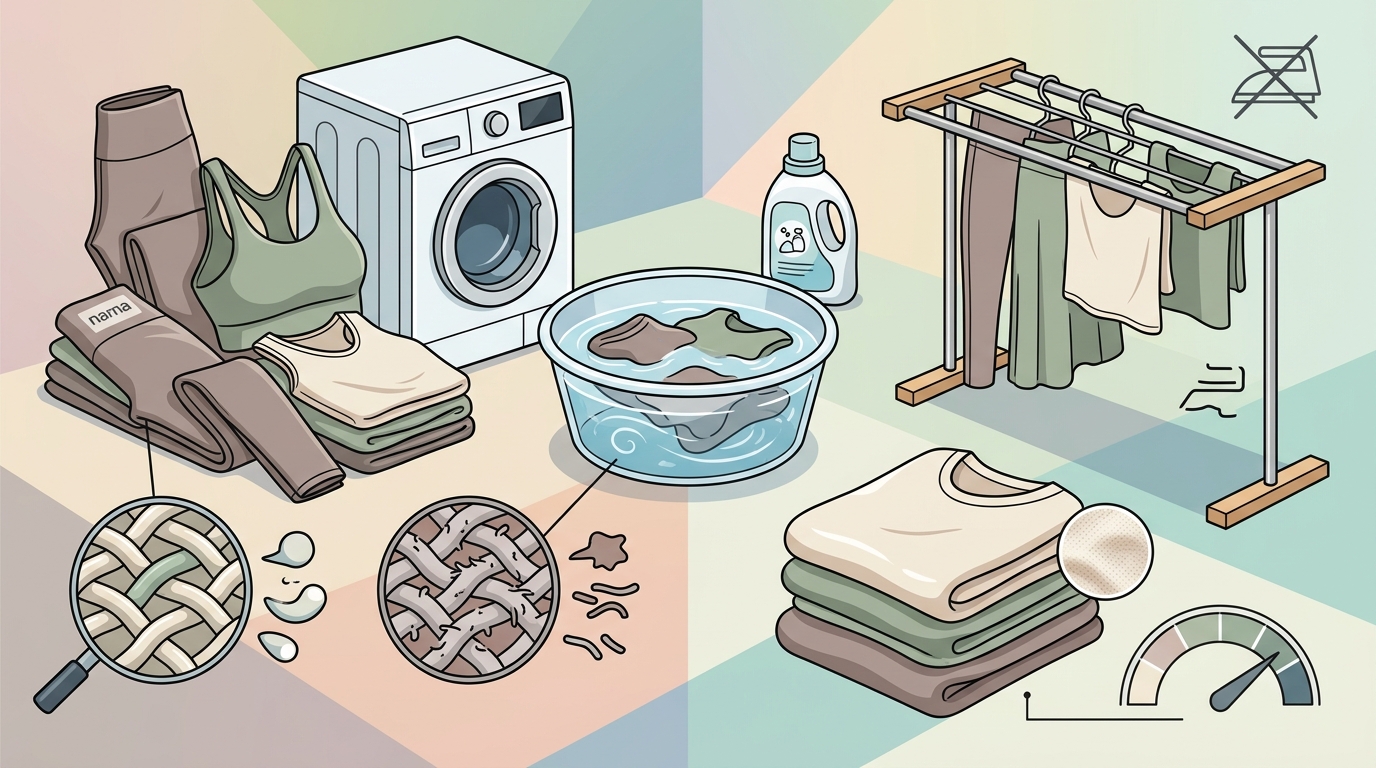
The washing phase is where most damage occurs. To preserve the integrity of your Nama garments, you must adopt a gentle washing strategy. Always wash your Body Butter items in cold water. Hot water can break down the elastic fibers, leading to permanent stretching or shrinking. Cold water helps maintain the color vibrancy and the structural integrity of the knit.
Use a gentle, liquid detergent that is free from harsh bleaches or optical brighteners. These chemicals can strip the natural softness of the fabric and cause discoloration over time. Avoid using fabric softeners. While they may seem like a good idea for softness, fabric softeners leave a waxy residue on synthetic and blended fibers. This residue clogs the fabric's pores, reducing its breathability and moisture-wicking capabilities.
Turn your garments inside out before washing. This simple step protects the outer surface from abrasion against other clothes or the washing machine drum. It also helps prevent pilling on the visible side of the fabric. Washing on a delicate or hand-wash cycle further minimizes agitation. If you are washing multiple items, ensure you are not overloading the machine. Overcrowding increases friction, which is the primary cause of pilling and fiber distortion.
The Dangers of Heat and Drying Methods
Heat is the enemy of premium activewear fabrics. The most critical rule for caring for Body Butter is to never tumble dry your garments on high heat. High temperatures can melt or weaken the synthetic components of the blend, leading to a loss of elasticity and a rougher texture. According to textile durability studies, exposure to high heat can reduce the lifespan of elastic fibers by up to 50%.
The recommended drying method is air drying. Lay your garments flat on a clean, dry towel or a drying rack. Laying them flat prevents the weight of the wet fabric from stretching the shoulders and waistbands out of shape. Hanging wet knits can cause them to elongate permanently, ruining the fit of leggings and tops.
Keep your garments out of direct sunlight while drying. Prolonged exposure to UV rays can fade the rich colors of the Body Butter collection and degrade the fibers. A shaded, well-ventilated area is ideal. If you must use a dryer, use the lowest heat setting or the air-only cycle, and remove the items while they are still slightly damp to finish air drying. This minimizes heat exposure while still offering convenience.
Storage Solutions and Pilling Prevention
Proper storage is the final line of defense for your fabric. Pilling occurs when fibers break and tangle into small balls on the surface of the fabric. This is often caused by friction during wear or storage. To prevent this, store your Body Butter items folded rather than hung, especially for heavier items like leggings or sweatpants. Hanging can cause the fabric to stretch at the hanger points.
Ensure your storage drawers or shelves are clean and free of rough textures. Avoid storing your Nama garments near rough surfaces like Velcro, zippers, or rough wood, which can snag the delicate knit. If you notice small pills forming, use a fabric shaver or a cashmere comb to gently remove them. Do not pull the pills off by hand, as this can pull more fibers out and worsen the problem.
Regularly inspect your garments for signs of wear. Early detection of pilling or thinning allows you to address the issue before it becomes irreversible. By maintaining a clean and organized storage environment, you extend the life of your wardrobe and keep your pieces looking new for longer.
Comparing Body Butter to Body Soft and Bamboo
Nama offers several premium fabric options, each with unique care requirements. Understanding the differences helps you tailor your care routine. Body Soft is another popular option, known for its smooth, matte finish. While it shares some care similarities with Body Butter, it may be slightly more prone to static. Bamboo fabric, on the other hand, is naturally antibacterial and highly breathable but requires even more gentle handling to avoid losing its softness.
| Fabric Type | Key Characteristic | Care Priority | Best For |
|---|---|---|---|
| Body Butter | Buttery-soft, opaque | Avoid high heat | Daily wear, lounging |
| Body Soft | Smooth, matte finish | Anti-static care | Studio workouts |
| Body Bamboo | Breathable, antibacterial | Gentle washing | Hot weather, sensitive skin |
Each fabric requires a tailored approach. While the general rules of cold washing and air drying apply to all, specific nuances exist. For instance, Bamboo may benefit from a slightly longer drying time due to its moisture retention. Body Butter, with its opacity, benefits most from careful handling to maintain its structure. By choosing the right care routine for each fabric, you ensure optimal performance and longevity.
Key Takeaways for Fabric Longevity
- Always wash Body Butter in cold water to preserve elasticity and color.
- Avoid fabric softeners, as they clog fibers and reduce breathability.
- Air dry flat to prevent stretching and maintain the original fit.
- Turn garments inside out to minimize surface pilling and abrasion.
- Store folded to avoid shoulder and waistband distortion.
- Use a fabric shaver to gently remove pills without damaging the knit.
- Keep away from high heat sources to prevent fiber degradation.
Frequently Asked Questions
Can I iron my Body Butter garments?
It is generally not recommended to iron Body Butter fabric directly. The heat can melt or shine the fibers, ruining the matte finish. If wrinkles persist, use a steamer on a low setting from a distance, or hang the garment in a steamy bathroom to release wrinkles naturally.
How often should I wash my Body Butter leggings?
You should wash your leggings after every wear. Body Butter is designed to be moisture-wicking and breathable, but sweat and body oils can accumulate in the fibers. Washing them regularly prevents odor buildup and maintains the fabric's hygiene and softness.
Is Body Butter fabric see-through when wet?
No, one of the key features of Body Butter is its opacity. It is designed to remain opaque even when stretched or wet. However, to maintain this quality, avoid washing with heavy items that can cause excessive friction, which might thin the fabric over time.
What is the difference between Body Butter and Body Soft?
Body Butter has a softer, more luxurious hand feel with a slight sheen, while Body Soft has a smoother, matte finish. Both are durable, but Body Butter is often preferred for its buttery drape, whereas Body Soft is favored for its sleek, studio-ready look.
Can I dry clean my Nama garments?
Dry cleaning is not necessary and may expose your garments to harsh chemicals that can degrade the fabric. Machine washing on a gentle cycle or hand washing is the preferred method for maintaining the integrity of the Body Butter knit.
How do I remove stains from Body Butter fabric?
Treat stains immediately with a gentle stain remover or a small amount of liquid detergent. Gently blot the area with a clean cloth. Avoid rubbing, as this can push the stain deeper into the fibers. Wash as usual after treating.
Does Body Butter fabric shrink?
If exposed to high heat, Body Butter can shrink or lose its shape. By following the care instructions of cold washing and air drying, you can prevent shrinkage and ensure your garments retain their original fit.
Shop the Body Butter Collection
Investing in high-quality activewear is only the first step. Proper care ensures that your Nama pieces continue to perform and feel amazing for years to come. By following these guidelines, you protect your investment and enjoy the luxury of Body Butter fabric every day. Explore the full range of Body Butter tops, leggings, and sets to build a wardrobe that combines style, comfort, and durability. Visit the Nama Shop to find your perfect fit and start your journey toward effortless elegance.