

A cohesive minimalist wardrobe is a curated collection of versatile, high-quality pieces that mix and match effortlessly so you can get dressed with confidence every single day. The capsule wardrobe market was valued at $1.3 billion in 2023 and is projected to reach $2.6 billion by 2030, proving that intentional dressing is far more than a passing trend. Whether you are tired of staring at a full closet with nothing to wear or simply want to simplify your mornings, this guide walks you through building a minimalist wardrobe rooted in comfort, quality, and timeless style.
Why a Minimalist Wardrobe Makes Life Easier
Decision fatigue is the mental exhaustion that comes from making too many choices. Research shows that people using minimalist wardrobes experience 60% less decision fatigue compared to those with larger, unstructured closets. Fewer, better pieces mean faster mornings and more confidence in every outfit.
The average person now buys 60% more clothing than 15 years ago yet keeps each item for half as long. A minimalist approach flips that cycle by encouraging you to buy less but wear each piece more often.
Step 1: Define Your Personal Style
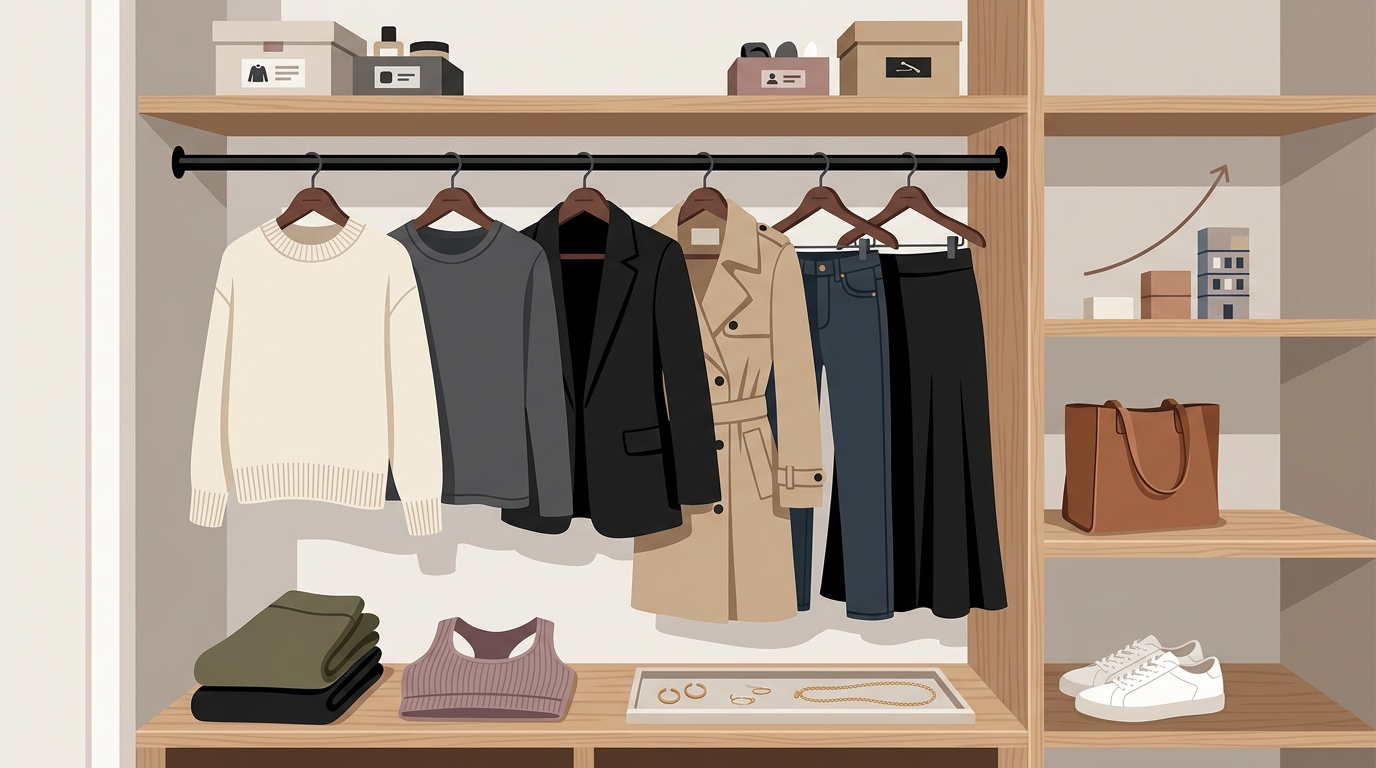
Before you edit a single hanger, get clear on what you actually love to wear. A minimalist style is defined by clean lines, neutral colors, and simple silhouettes that feel effortless rather than overdone. Scroll through your camera roll and notice the outfits you reach for repeatedly.
Audit Your Current Closet
Pull out every item and sort into three piles: love, maybe, and donate. If you have not worn something in six months, it likely does not belong in your capsule. This step alone can cut closet clutter in half.
Create a Style Mood Board
Pin images that reflect the feeling you want your wardrobe to convey. Brands like Nama are built around the idea of elevated, versatile style that moves seamlessly between studio and street, which is a great reference point for minimalist inspiration.
Step 2: Choose a Cohesive Color Palette
A color palette is the foundation that determines whether your capsule wardrobe actually works. A strong system uses two complementary palettes: a dominant neutral base and a smaller accent group.
Build roughly 70% of your wardrobe around your dominant palette and 30% around accent colors. When every piece coordinates, you create automatic outfit combinations without overthinking.
| Palette Role | Examples | % of Wardrobe |
|---|---|---|
| Base Neutrals | Black, ivory, graphite, sahara | 40-50% |
| Supporting Neutrals | Heather grey, navy, velvet brown | 20-30% |
| Accent Colors | Olive, dusty rose, soft blue | 10-20% |
| Statement Pieces | Contrast piping, pinstripe detail | 5-10% |
Nama's collections reflect this principle naturally. Pieces like the Body Butter™ line come in versatile shades such as black, ivory, graphite, and velvet brown that pair with almost anything.
Step 3: Invest in Essential Pieces
A capsule wardrobe is a curated set of timeless clothing items designed to mix and match seamlessly. Most experts recommend 30 to 50 versatile pieces depending on lifestyle and climate. Here are the core categories to cover:
Tops and Layers
Include a balanced mix of tanks, long sleeves, and one statement layer. A piece like the Body Butter™ Sweetheart Long Sleeve works for workouts and casual errands. Add a lightweight jacket or shrug for transitional weather.
Bottoms
Two to three pairs of leggings in your base colors, one pant, and one skirt or short will cover most situations. Nama's leggings collection offers high-rise and contour options that pair with virtually any top.
One-Piece Options
A jumpsuit or dress eliminates outfit planning entirely. Explore Nama's jumpsuits for single-step outfits that still look polished and intentional.
Step 4: Prioritize Fabric Quality
Fabric quality is the single biggest factor in how long a garment lasts and how good it feels on your body. Cheap materials pill, stretch out, and lose shape after a few washes, which defeats the purpose of buying fewer, better items.
Look for performance blends that offer stretch, breathability, and shape retention. Nama's signature Body Butter™ fabric, for example, is an 80% nylon and 20% spandex blend that provides light compression and a buttery-soft hand feel. Thoughtful certifications also matter. Nama holds GRS, OCS 100, and OEKO-TEX Standard 100 certifications, verifying responsible sourcing and production.
Step 5: Master Mix-and-Match Outfits
The real power of a minimalist wardrobe shows up in the outfit math. With 30 coordinated pieces you can create well over 100 distinct outfits. The trick is ensuring every top works with every bottom in your closet.
Try the "rule of three": each new item should pair with at least three pieces you already own. This prevents orphan purchases that sit unworn. Collections designed with this versatility in mind, like Nama's best sellers, make pairing effortless because the colors and fabrics were engineered to complement each other.
Step 6: Shop Mindfully and Sustainably
Mindful shopping is the practice of evaluating need, quality, and environmental impact before making a purchase. In 2023, women made up 60% of capsule wardrobe market revenue, signaling a clear shift toward intentional consumption.
Before adding a new piece, ask three questions: Does it fill a gap? Will I wear it at least 30 times? Does it align with my color palette? Nama was founded on the principle of doing the opposite of fast fashion. Their clothing is produced by a family-run facility and designed in Toronto with intention at every stage, from fabric selection to final finish.
Key Takeaways
- A minimalist wardrobe reduces decision fatigue by up to 60% and simplifies your daily routine.
- Start with a closet audit and a clear style mood board before buying anything new.
- Build around a two-tier color palette: 70% base neutrals, 30% accents.
- Aim for 30 to 50 versatile pieces that each pair with at least three other items.
- Prioritize fabric quality and certifications over low price tags.
- Shop mindfully by asking whether each new item fills a genuine gap.
- Choose brands like Nama that design cohesive collections meant to work together.
Frequently Asked Questions
How many pieces do I need for a minimalist wardrobe?
Most experts recommend between 30 and 50 pieces, including tops, bottoms, layers, and shoes. The exact number depends on your lifestyle, climate, and how often you do laundry.
What colors work best for a capsule wardrobe?
Neutral base colors like black, white, grey, and navy create the most versatile foundation. Add one or two accent colors that complement your skin tone for variety without visual clutter.
Is a minimalist wardrobe more expensive upfront?
It can require a higher initial investment per piece, but the cost-per-wear drops significantly because you use every item regularly. Over time, you spend less overall by avoiding impulse purchases.
How do I transition my current closet into a capsule wardrobe?
Start by auditing what you own. Remove items you have not worn in six months. Identify gaps using the essential categories outlined above, then fill those gaps one quality piece at a time.
Can minimalist style still be fashionable?
Absolutely. Minimalist fashion focuses on clean lines and considered details rather than trend-driven prints. Pieces like Nama's Contrast Collection prove that simplicity and style are not mutually exclusive.
How often should I update my capsule wardrobe?
Review your capsule at the start of each season. Replace worn items and swap seasonal layers as needed. The core neutrals should last multiple years if the fabric quality is high.
Where should I start if I feel overwhelmed?
Begin with one category, such as bottoms. Choose two or three pairs of high-quality leggings or pants in neutral colors, then build your tops around them. Small steps prevent decision paralysis.
Start Building Your Minimalist Wardrobe Today
Ready to simplify your closet with pieces designed to work together? Browse Nama's full collection of comfort-driven, minimalist essentials and enjoy free shipping on orders over $150. Your most cohesive wardrobe is just a few intentional choices away.